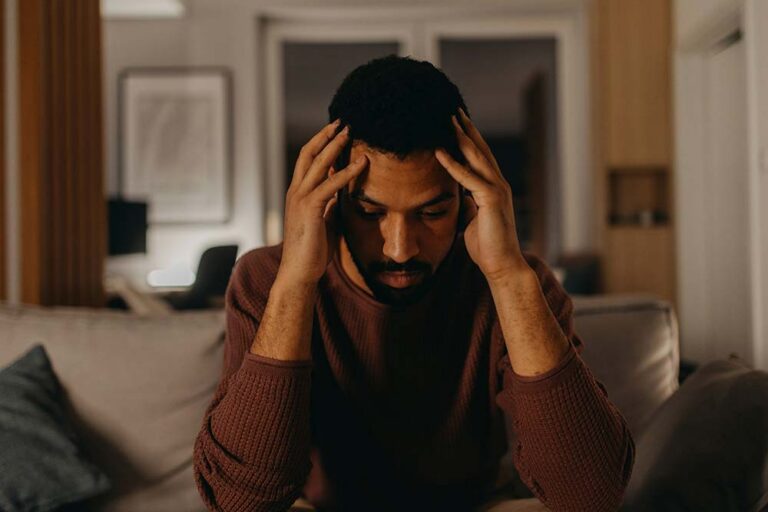
Anxiety can affect every part of life, especially during periods of change. As a therapist providing online therapy for women in California and Arizona, including many clients in the San Francisco Bay Area, I often work with women who feel overwhelmed, disconnected from themselves, or stuck in patterns of worry that won’t let up.
I know anxiety is rarely just about stress. It is shaped by relationships, life transitions, past experiences, and sometimes hormonal changes. In this guide, I explain how anxiety commonly shows up in women, what can contribute to it, and how therapy can help you better understand yourself and move toward lasting change.
Understanding Anxiety in Women
Anxiety is more than just worrying or feeling nervous from time to time, especially for women. It can show up in thoughts, emotions, and even inside the body, changing the way everyday life feels. The roots of anxiety in women run deep, with influences ranging from genetics and hormones to everyday pressures that come from work, family, and society at large.
For women, anxiety is not simply a reaction to stress. It can be shaped by unique patterns, including hormonal swings tied to the menstrual cycle, pregnancy, or menopause. It can also be colored by cultural expectations, those unspoken “rules” about how to act or what to feel. And on top of all that, women often carry guilt or frustration when anxiety flares up, wondering if it’s something they should just “get over.”
Understanding all the layers, emotional, psychological, physical, biological and societal, matters because anxiety doesn’t operate in a vacuum. The next sections break down how anxiety signs show up in women, trace the influence of hormones, and compare these patterns to men. Together, they set the stage for a more compassionate way to view and work with anxiety in women’s lives.
Recognizing Emotional, Psychological, and Physical Symptoms
- Emotional Symptoms: Women with anxiety often experience persistent worry or fear that feels hard to shake. There might be a sense of doom or dread, even in situations that don’t seem risky to others. Irritability is common, and emotions might feel intense or overwhelming at times.
- Psychological Symptoms: Racing thoughts can make it feel impossible to relax. Many women deal with difficulty concentrating or staying present, and may be haunted by “what if” scenarios. Self-criticism and rumination, replaying mistakes or worrying about being a burden, can also take hold.
- Physical Symptoms: Anxiety doesn’t only happen in the mind. It can show up as a racing heart, shortness of breath, chest pain, sore or tense muscles, or stomach upset (including nausea or diarrhea). Headaches and chronic fatigue are common, often without medical explanation.
- Behavioral Shifts: You might notice changes in your routines, such as withdrawing from social events, avoiding certain places or situations, or becoming restless. These shifts can be subtle, like staying busy to distract from worry, or more obvious, such as struggling to maintain relationships or keep up with daily tasks.
- Sleep Disturbances: Trouble falling asleep, staying asleep, or waking up feeling unrefreshed can be strong indicators of anxiety. Nighttime is often when worries feel most intrusive.
Recognizing these signs in yourself or someone you care about is the first step toward understanding anxiety. You’re not “making it up”, these symptoms are real and deserve attention.
Biological and Hormonal Influences on Women’s Anxiety
Hormones play a central role in shaping anxiety for women. Estrogen and progesterone, two major hormones in women’s bodies, rise and fall throughout the menstrual cycle, pregnancy, and menopause.
Hormonal fluctuations may influence how the brain and mood respond to stress. In a study of 28 healthy, naturally cycling women, higher estradiol levels were associated with less subjective distress and different patterns of brain activity during a laboratory-based psychosocial stress task, suggesting that women may be more vulnerable to stress during lower-estradiol phases of the menstrual cycle (Albert et al., 2015).
Some women are especially sensitive to changes in hormone levels, which can make them more likely to notice anxiety before their period (premenstrual anxiety) or during life events like pregnancy. During pregnancy and postpartum, hormonal surges and drops can bring sudden mood changes and increase anxiety. Likewise, perimenopause and menopause, when hormone levels decline, often trigger new or intensified anxiety symptoms, sometimes with physical signs like hot flashes or sleep disturbances.
Understanding that anxiety may be linked to hormonal fluctuations can be a relief. It isn’t a personal failing or proof of “weakness.” These patterns often have a biological basis, and knowing that can reduce self-blame and open the door to targeted support.
Gender Differences in Anxiety Symptoms and Patterns
Women and men can both experience anxiety, but prevalence differs substantially by sex. A review of major epidemiological surveys found that anxiety disorders are approximately twice as common in women as in men, with biological, genetic, neurobiological, and psychosocial factors proposed as possible contributors (Bandelow & Michaelis, 2015).
Women are more likely to internalize anxiety, that means turning anxious feelings inward, leading to rumination, self-doubt, and perfectionism. Persistent worry about relationships, career success, or caregiving can take center stage, sometimes spilling over into people-pleasing or hesitation to speak up.
Men, on the other hand, may externalize anxiety more commonly, reacting with irritability, anger, or risk-taking behaviors. Because women’s anxiety can be quieter and more internal, it may go unnoticed or be misinterpreted as moodiness or sensitivity, rather than a real struggle.
Women are also more likely to experience physical symptoms, such as digestive issues or headaches, connected to anxiety. Coping styles can be different, too. Women often seek support and connection, while men may withdraw or distract themselves. Recognizing these gender-linked patterns isn’t about stereotypes, but about helping anxiety in women get noticed and properly addressed, without minimizing or dismissing their experiences.
Life-Stage Specific Patterns of Anxiety in Women
Anxiety isn’t one-size-fits-all, especially for women. The way anxiety shows up can shift dramatically depending on where you are in life, whether you’re just entering adolescence, expecting a baby, or going through menopause. Each stage brings its own unique combination of challenges and hormonal shifts that can stir up or magnify anxious feelings.
This section guides you through the key times in life when anxiety can look and feel different: puberty and the menstrual cycle, the journey through pregnancy and the postpartum period, and the transition into perimenopause and menopause. These milestones often mark changes not only in mood, but in how anxiety is felt and handled, both physically and emotionally.
Empathy and understanding matter here. By exploring these life stages, we can begin to untangle the web of influences, social, hormonal, and personal, that shape the experience of anxiety for so many women.
Anxiety During Puberty and the Menstrual Cycle
- Hormonal Shifts at Puberty: As girls enter puberty, fluctuating estrogen and progesterone levels can intensify anxiety, making emotions feel unpredictable and amplifying sensitivity to stress.
- Premenstrual Anxiety: Many young women notice an increase in worry, irritability, or mood swings before their period. Physical symptoms like bloating or stomach pain often accompany emotional changes.
- School and Social Pressures: Academic demands, social media comparison, and forming personal identity all pile onto the natural stress of growing up, further heightening anxiety risks in this sensitive period.
- Importance of Early Recognition: Recognizing anxiety early can prevent it from becoming overwhelming. Supportive adults and mental health resources can make all the difference during these formative years.
Perinatal and Postpartum Anxiety
- Unique Risks During Pregnancy: Hormonal changes and uncertainties about pregnancy, childbirth, and parenting can spark anxiety, even in women with no prior history.
- Postpartum Experiences: After birth, rapid hormonal shifts and new responsibilities often lead to heightened worry, sleep disruptions, and persistent fears about baby’s health or your ability as a parent.
- Physical and Emotional Symptoms: You might have racing thoughts, muscle tension, panic attacks, or constant “what ifs.” These can feel overwhelming, sometimes even more than depression.
- The Importance of Compassionate Care: It’s vital to seek understanding and support. With the right treatment plan and gentle self-care, perinatal anxiety is manageable and nothing to be ashamed of.
Anxiety in the Menopausal Transition and Perimenopause
Perimenopause and menopause mark a significant drop in estrogen and progesterone, which can destabilize mood and increase anxiety risk. Many women notice new or worsening symptoms during this transition, such as night sweats, sleep problems, or a sense of unease that wasn’t there before. These emotional changes are as real as the physical ones, and they’re common and treatable. Understanding this connection can help women seek support and not simply “push through” alone.
Causes and Risk Factors for Anxiety in Women
Anxiety doesn’t just “happen” in a vacuum, it grows out of a mix of factors both inside and outside us. In women, biology plays a big part. Genetics, hormone levels, and family history can all tip the scales toward anxiety. But the story doesn’t end there. External pressures, like societal expectations, cultural roles, or the emotional load of caring for others, are also heavy hitters when it comes to triggering or deepening anxious feelings.
This section introduces you to both the built-in triggers we inherit or are born with, and the stressors we run into in daily life. Seeing the big picture can lessen self-blame and help women get honest about what’s really driving their anxiety. You’ll find more detail next, including how perfectionism, trauma, and juggling multiple identities all contribute to anxiety’s hold.
Biological and Genetic Contributors
Biological factors, like your genes and how your brain processes stress, can raise your risk for anxiety. If anxiety or related conditions such as depression run in your family, you might be more susceptible. Shifts in brain chemistry, especially those involving neurotransmitters that regulate mood, can also play a role. These influences highlight that anxiety is a health issue, not a character flaw or proof of weakness.
Societal, Cultural, and Emotional Stressors
- Societal Expectations and Gender Roles: Women often juggle multiple responsibilities, feeling pressure to “do it all” at home and at work. Trying to meet everyone’s expectations can fuel chronic anxiety, especially when self-care falls by the wayside.
- Cultural Norms and Stigma: Cultural beliefs about how women “should” behave, or the stigma around mental health, can discourage asking for help. For women of color or those in marginalized groups, language barriers and mistrust in medical systems create added layers of stress.
- Perfectionism and Fear of Disappointing Others: Many women, especially professionals, feel intense pressure to avoid mistakes or letdowns, and High-Functioning anxiety Therapy For Women California can help address the overthinking, perfectionism, and self-criticism that often accompany these patterns.
- Past Trauma and Emotional Distress: History of trauma, sexual assault, or abuse significantly increases anxiety risk. High-achieving women may also experience guilt for struggling, compounding emotional distress.
- Balancing Identities and Multiple Roles: From caregiver to employee or business owner, the “always on” feeling can be overwhelming. Navigating between family obligations and personal needs is a major invisible stressor for many women.
Recognizing these influences can help loosen the hold of shame, opening space for kindness and support along the way.
Diagnosis, Misdiagnosis, and When to Seek Help
Getting to the root of anxiety isn’t always straightforward. For women, anxiety often wears a disguise, turning up as headaches, stomach issues, or chest pain, physical symptoms that are sometimes misread as medical rather than mental health problems. This overlap can mean delayed or missed diagnoses, leading to years of unnecessary struggle.
Understanding when to seek help is equally vital. Many women feel pressure to “just cope” or worry that asking for support is a sign of weakness. This section covers practical guidance for spotting the signs that professional care is needed, and how to navigate and advocate through the maze of health systems. Barriers exist, but access to therapy and genuine support is available and worth pursuing.
Anxiety Misdiagnosed as Physical Illness
Anxiety in women can show up as physical problems, like a pounding heart, chest pain, chronic stomach troubles, or headaches. Doctors sometimes mistake these symptoms for conditions such as heart disease, irritable bowel syndrome (IBS), or chronic pain disorders. This misdiagnosis happens because anxiety affects the whole body and doesn’t always present as obvious worry or fear. If symptoms feel unexplained by medical testing, it’s wise to ask your care team to consider anxiety as part of the puzzle.
When and How to Seek Professional Support
- Recognize Ongoing Symptoms: If anxiety is interfering with your daily life, relationships, or work, and especially if it lingers for weeks or months, it’s time to consider professional support.
- Notice Physical and Emotional Impacts: Persistent headaches, digestive upset, panic attacks, or inability to focus may signal anxiety that needs more than self-help strategies.
- Reach Out to a Mental Health Professional: A therapist experienced in women’s mental health, such as a life transitions therapist, can help you understand how anxiety may be connected to changes in your identity, relationships, career, or stage of life. You don’t need a formal diagnosis to start this conversation.
- Ask About Therapy Options: Therapy includes a range of approaches, and it’s important to find one that feels comfortable. If you’re interested in exploring therapy tailored to life transitions and anxiety, try visiting Lucy Klein, LMFT, which offers online therapy options in select locations.
- Remember Support is Strength: Seeking help is not a sign of weakness. Trusted loved ones or community resources can also make a big difference in easing the path to healing.

Effective Anxiety Treatments and Everyday Coping for Women
There is no single “right way” to treat anxiety, what works best is shaped by each woman’s personal story, preferences, and values. A wide array of options exists, from talk therapy and mindfulness-based approaches to medication and lifestyle changes. The most effective care takes the whole person into account, weaving together techniques that foster self-compassion and lasting resilience.
This section introduces evidence-based therapies, adjustments in everyday life, and the value of social support. You’ll get a sense of what’s available, how to advocate for your needs, and why your experience of anxiety deserves creative, gentle care. Every path forward starts with a small, deliberate step, sometimes that’s all you need to get started.
Therapy, Medication, and Mindfulness-Based Options
- Individualized Psychotherapy: Therapy for individuals can be tailored to women’s life experiences, using approaches such as long-term relational or integrative therapy to deepen emotional understanding and develop coping strategies suited to your needs.
- Medication: Some women benefit from medications to help manage severe anxiety. Decisions around medication, especially during pregnancy or menopause, should be made with a trusted healthcare provider who understands women’s health.
- Mindfulness and Relaxation Practices: Mindfulness-based skills, such as guided breathing or gentle awareness exercises, help anchor you in the present moment and reduce cycles of worry.
- Advocating for Personal Preferences: Women are encouraged to speak up about their treatment goals, cultural values, and personal history, therapy is most effective when it fits your life and feels supportive.
Collaborating with a compassionate provider makes a world of difference. Taking the first step often feels daunting, but support is available and real change is possible.
Lifestyle, Self-Care, and Emotional Awareness
- Balanced Nutrition: Eating regular, nourishing meals supports stable energy and mood throughout the day.
- Quality Sleep: Prioritize routines that help you wind down and rest well, like limiting screens before bed or keeping a steady sleep schedule.
- Movement and Gentle Exercise: Physical activity, whether it’s yoga, walking, or dancing, can help release anxiety and boost endorphins.
- Mindfulness and Relaxation: Incorporate mindfulness, deep breathing, or meditation to slow racing thoughts and tune in to the present.
- Emotional Awareness and Self-Compassion: Spend time noticing your feelings without judgment, journaling or talking with a trusted friend can build resilience and help you show kindness to yourself in the process.
Living with Anxiety and Looking Forward
If you live with anxiety, you know that some days feel smoother than others. The real power lies in learning how to manage those bumpy days and to recognize progress, no matter how small. Day-to-day strategies help reduce anxiety’s grip, while long-term efforts to build resilience can gradually turn setbacks into stepping stones.
This section is all about practical tips for getting through tough moments and nurturing a sense of strength that can carry you forward. Everyone’s journey is unique, and self-compassion is a vital companion along the way. Remember, small victories add up, and a single positive change can begin to reshape your relationship with anxiety.
Managing Anxiety in Everyday Situations
- Grounding Techniques: Try focusing on your senses, what you can see, hear, touch, to bring yourself back to the moment during overwhelming times, such as public speaking or social gatherings.
- Set Clear Boundaries: Saying “no” when needed or choosing which events to attend can reduce unnecessary stress.
- Supportive Self-Talk: Remind yourself that it’s okay to feel anxious and that you have gotten through difficult moments before.
- Preparation Routines: Take a few deep breaths, review calming notes, or arrive early to situations that trigger anxiety so you can get comfortable.
- Flexible Coping: Allow yourself to adapt strategies to fit the situation, sometimes stepping outside for a break or texting a supportive friend can ease the moment.
Building Resilience and Celebrating Small Victories
- Notice Progress, Not Perfection: Acknowledge every step forward, even if it feels minor, small shifts add up over time.
- Practice Self-Compassion: Forgive slip-ups and remind yourself that setbacks are part of growth.
- Build Your Toolbox: Experiment with different coping skills to see what works best for you, a few favorites can offer comfort in challenging moments.
- Reach for Connection: Share your wins with loved ones or support groups, they’re worth celebrating, no matter the size.
Conclusion
Anxiety in women is complex, affected by biology, life events, and the unique pressures many carry. Recognizing symptoms and root causes is a powerful first step to healing. Remember, support is available and you’re not meant to handle this alone. Therapy, self-care, and small shifts in daily life can make a real impact. As you move forward, be gentle with yourself, progress is possible, and every small victory matters. There’s hope and strength in reaching out and exploring what works for you.
Frequently Asked Questions
How do I know if my anxiety is “normal” or needs treatment?
Everyone feels anxious sometimes, but if worry or physical symptoms interfere with work, relationships, or daily life, and last for weeks or months, it’s time to consider professional help. Common signs include persistent tension, sleep problems, avoiding situations, or trouble concentrating. There’s no shame in reaching out for support, even if your anxiety feels “mild.” Taking care of your mental health is just as important as your physical health.
Are women really more likely to have anxiety than men?
Yes, research consistently finds that women are almost twice as likely as men to experience anxiety disorders, with one systematic review reporting a female-to-male prevalence ratio of approximately 1.9 to 1 (Remes et al., 2016). Biological factors, hormonal changes, and social expectations all play a part. The way women experience and express anxiety, often through internal symptoms or physical aches, also means anxiety may go unnoticed or unaddressed longer. Growing awareness is helping close this gap so more women can access support.
Can hormonal changes really cause anxiety symptoms?
Absolutely. Shifts in estrogen and progesterone around menstruation, pregnancy, or menopause impact brain chemicals linked to anxiety and mood. Some women are especially sensitive to these changes, and may notice increased anxiety before periods, during perimenopause, or after childbirth. Hormone-related anxiety is real and can be addressed through medical and therapeutic support, so it’s worth talking to your provider if you notice these patterns.
What should I do if my anxiety symptoms are being dismissed by a doctor?
Women’s anxiety is sometimes mistaken for purely physical illness. If your doctor dismisses your concerns or only treats symptoms, ask specifically about anxiety as a possible cause and request a referral to a mental health specialist. Keep a diary of symptoms, advocate for comprehensive assessment, and consider getting a second opinion. You know your own body and mind, your experience deserves to be heard and respected.
Are there online therapy options for women’s anxiety?
Yes, online therapy has become more common and accessible, with providers specializing in women’s mental health and life transitions. If you’re looking for an emotionally attuned, long-term approach, you might visit Lucy Klein, LMFT for more information. Choosing a therapist who understands anxiety in women can make a significant difference in your journey toward greater resilience and peace of mind.
References
- Remes, O., Brayne, C., van der Linde, R., & Lafortune, L. (2016). A systematic review of reviews on the prevalence of anxiety disorders in adult populations. Brain and Behavior, 6(7), e00497.
- Bandelow, B., & Michaelis, S. (2015). Epidemiology of anxiety disorders in the 21st century. Dialogues in Clinical Neuroscience, 17(3), 327–335.
- Albert, K., Pruessner, J., & Newhouse, P. (2015). Estradiol levels modulate brain activity and negative responses to psychosocial stress across the menstrual cycle. Psychoneuroendocrinology, 59, 14–24.